
This is the first edition of our series, Smooth Conversions, where the primary objective is to reduce client acquisition costs (CACs).
And you know why? There are two big reasons.
First, because over half a trillion dollars is being wasted in marketing inefficiencies, and secondly, it’s a defining trait of the most successful entrepreneurs who built enduring fortunes.
Yes, I’ve studied a ton of high-performing entrepreneurs, and all of them were relentlessly focused on cost optimization.
They understand that if they control costs, they gain a structural competitive advantage.
- Andrew Carnegie was relentless about operational efficiency.
- John D. Rockefeller cut costs to outprice competitors and dominate the market — quite similar to what Jeff Bezos did.
- Elon Musk says, “the best part is no part”
And the list goes on.
And those who don’t understand this principle struggle to sustain their business.
No one starts a business expecting to fail, yet 80% of startups collapse within the first three years, and Kevin O’Leary says the #1 reason is the higher CAC than LTV.
So, for most companies, cutting costs shouldn’t start with squeezing employees or hiring mediocre talent.
I can assure you, successful entrepreneurs are obsessed with exceptional talent.
They optimize their systems instead.
And for most tech companies that rely on digital marketing to acquire clients — especially in growth stages — the real bottleneck is CAC, which, in reality, shouldn’t be as high as it is today.
That’s why I started the Smooth Conversions series to help founders reduce costs in ways that are structural and create lasting competitive advantage.
With my expertise in:
- Content marketing
- Copywriting
And along with over 800 hours of research in psychology, persuasion, business, and capital allocation, I am investing hundreds more hours into focused research to help your client journey move seamlessly from first touch to loyal customer, by eliminating friction for your ICP.
We will also explore how intentionally adding friction in the sales funnel for suspects and non-ICP prospects can actually reduce CAC.
A low CAC means you have healthier margins, you can offer more competitive pricing, fill your pipeline faster, scale your business predictably, and get investor checks signed in minutes simply by demonstrating strong ROI.
And today, we’re going to discuss the first touchpoint — your ad.
Other than paid ads, if you’re primarily relying on content marketing, it’s your headline and short description. And if you’re relying on outbound or cold marketing, it’s your pitch. For simplicity, we’ll refer to all of them as ads.
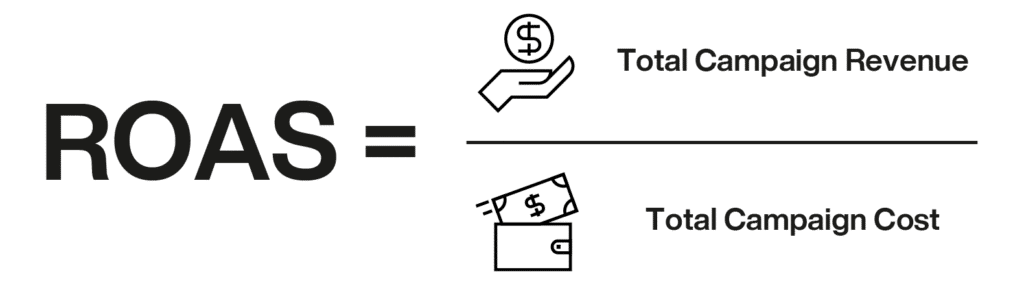
Just imagine, if you could increase your ROAS, how much easier the rest of the game becomes. You gain confidence, you can scale with predictability, and you control the biggest bottleneck in any business.
Your ad is your first touchpoint, and its entire purpose should be:
- Attract the right audience (not tire-kickers or ghosts)
- Deliver the full promise
- Persuade enough to click and learn more
The problem with most ads begins when they:
- Fail to resonate with the right audience
- Don’t create friction or barriers for the ghosts
(We’ll explore a data-driven, scientific approach to fixing this.)
As a result, most businesses struggle to generate sufficient conversions, and CAC compounds as they scale.
The easy part: Get Attention
It’s obvious, competition in online marketing is fierce. Digital content is virtually infinite, while human attention and time are limited resources.
Your prospects face thousands of distractions every day. The primary purpose of your ad is simple: cut through the noise and grab attention.
In fact, Gary Halbert, the highest-paid copywriter in history, says your ad’s goal should be to capture focused, high-quality attention.
He explains that this is achieved when your ad feels personal to the prospect — meaning your message resonates with them as deeply and specifically as possible.
Well, it’s easy!
Alex, one of the founders of Copy That, explains it simply: if someone has elbow pain, and an image shows elbow pain — or the text says “elbow pain” — they are naturally drawn to it.
This principle applies to anyone.
So, getting attention becomes much easier when your ad aligns with the prospect’s current thoughts, needs, or pains.
The tough part: Getting attention from your ICP
Getting attention can be easy, but capturing the quality attention of your Ideal Customer Profile (ICP) requires far more precision and efficiency.
To filter out the “ghosts,” another purpose of your ad should be to add friction for non-ICP audiences.
You can achieve this by personalizing your ad’s promise and adding context.
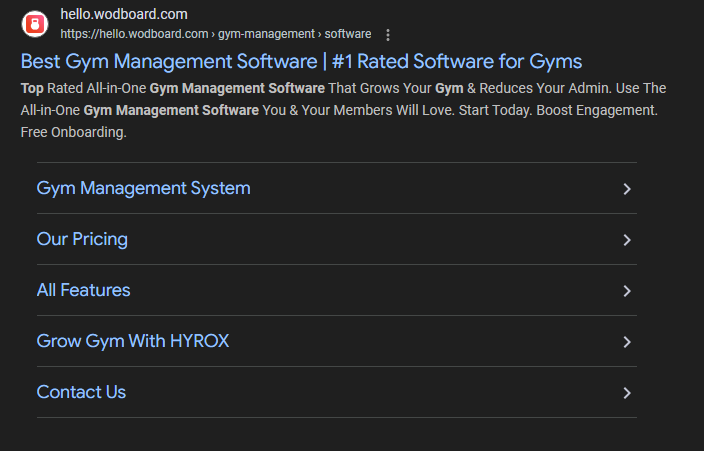
For example, when I searched for “Best gym management software,” here’s what I found:
Ad #1
Ad #2

Ad #3 & 4
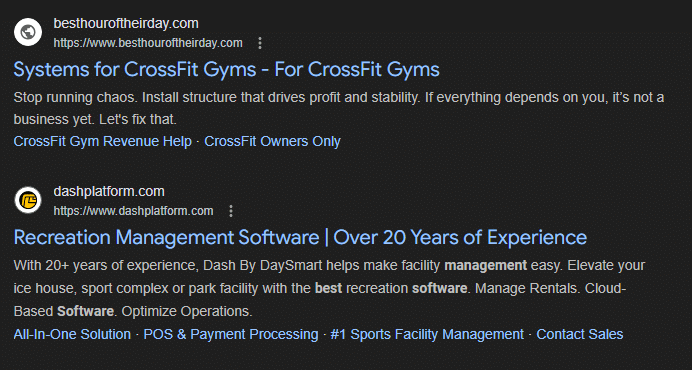
Clearly, all of them are targeting the same keyword, but each ad makes a different promise.
Many of the people clicking these ads may be suspects, not actual prospects. So what can you do?
The solution is personalization for your ICP. In simple terms, you could call it targeting, but not the kind often confused with geography, interests, groups, or age. In reality, every element of your sales funnel should contribute to precise, effective targeting.
Focus your promise on what truly appeals to your ideal prospect.
If you already have a client base, you can build an ICP from it. Or, you can conduct extensive audience research to see what’s running inside their heads.
You need to understand:
- Their language
- Their pain points
- Their aspirations
Then speak in their tone and style, so they feel heard, understood, and connected, which builds trust and likability.
There is a lot of work involved. And it’s worth investing.
Eugene Schwartz has said, “I am a successful copywriter not because I am the best, I’ve seen many better, but because I have never seen anyone work harder than I do.”
Focus on Tiny Details
Tiny details can make a big difference in what appeals to your prospects.
Robert Cialdini, who built his career researching the science of influence and earned an international reputation, explains in his book Influence, not only words, context, message but even the choice of colors can affect people’s decisions.
Many studies show that people tend to prefer distinctive colors, although preferences can vary based on interest, gender, and age.
Secondly, people also respond best to simple, clear language.
Research from Science.org in neuroscience found that headlines that are easy to read and understand significantly increase CTR.
For example, consider these results…
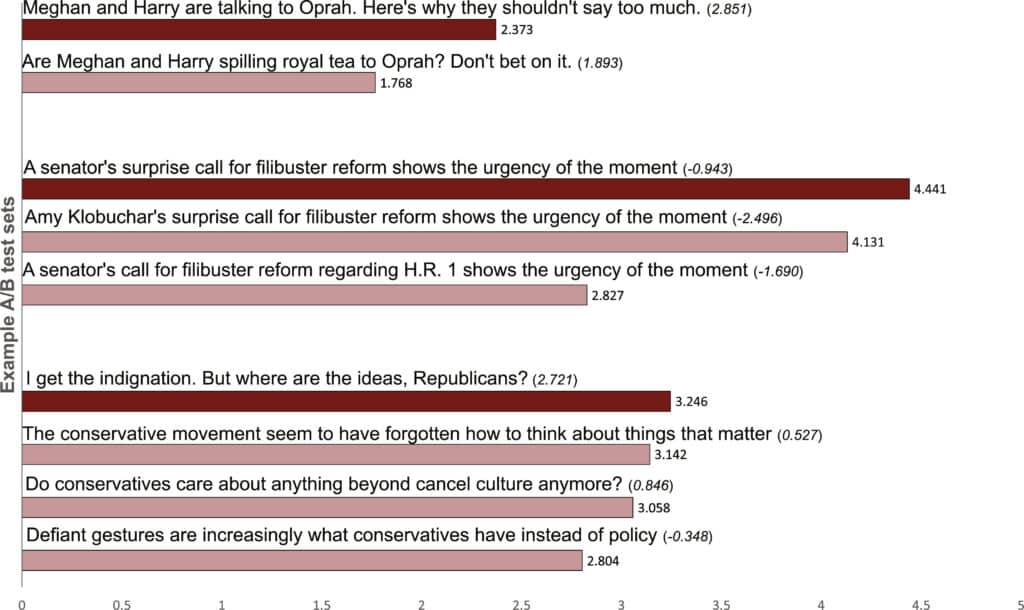
Be More Precise
The Science.org study researched what influences people to click, essentially, CTR. But your primary goal isn’t clicks; it’s conversions.
Let’s look at a few headlines:
- A senator’s surprise call for filibuster reform shows the urgency of the moment
- Amy Klobuchar’s surprise call for filibuster reform shows the urgency of the moment
- A senator’s call for filibuster reform regarding H.R. 1 shows the urgency of the moment
Clearly, the first headline got more clicks.
But for your purposes, when you want to add barriers for the ghosts, the third headline is the best choice.
Why?
- It’s simple so it will get clicks
- It gives context immediately
- It naturally filters out those who aren’t interested in H.R. 1, adding friction for non-ICP audiences
This is how you strategically add barriers for the ghosts while keeping your ICP engaged.
Make a Unique Promise
Imagine 1,000 robots, if they all look alike, you won’t remember a single one based on any distinguishing characteristic. The same goes for your ads.
If your copy sounds like hundreds of others, you’re losing countless valuable customers who are searching for real solutions.
The second most important factor in attracting the right prospects is to make a unique promise, something that truly resonates.
For example:
“Let’s solve your problem with this unique mechanism.”
That’s what sparks curiosity and motivates people to learn more.
For instance, the same psychology is used by news sites to boost CTR and you can apply it too.
But as Gary Halbert warns, don’t try to trick the prospect. Use this strategy wisely so that your audience feels comfortable after reading.
In other words, make a unique promise, but ensure it’s credible and believable.
P.S. Share this with someone who truly needs it, and subscribe to our Push Notifications to read more discussions on reducing costs and improving efficiency.